Why Fashion Is Shifting Toward Comfort-Driven Footwear

265 Views
Fashion rules were once simple. Beauty meant pain. Looking good required sacrifice. Comfort belonged at home, not in public. The rules are no longer in effect. Shoppers’ demands are forcing the fashion industry to adapt. This change is permanent, fundamentally altering the definition of style and footwear’s place in contemporary society.
The Remote Work Revolution Rewrote the Rules
Offices emptied in 2020. Kitchen tables became desks. Bedroom corners turned into conference rooms. And feet? They discovered freedom. Two years of working in socks and slippers changed everything about footwear expectations. When offices reopened, feet staged a rebellion. Wearing the old dress shoes was like being punished. After months of being barefoot, those pointy-toed heels felt absurd. Workers pushed back against traditional dress codes. Some companies tried enforcing pre-2020 rules. Most gave up within months.
Read More : A ‘Gift of Love’ for the Girlfriend: Explore Stylish and Timeless Ruby Pendants
Things became more difficult with the hybrid schedule. People wanted versatile shoes for home and work. Shoes suitable for walks, video meetings, and client meals. Old shoe categories: work, weekend, exercise, no longer made sense. Comfort was the unifying element.
Social Media Killed the Suffering-for-Beauty Myth
Influencers previously concealed sneaker swaps between shoots. They’d wear heels for the photo, then change back. Someone finally leaked this secret. The entire performance fell apart. TikTok accelerated the honesty movement. Videos showing bleeding feet after fancy events went viral. Podiatrists gained millions of followers by explaining shoe damage. Young people started mocking the idea that pain equals sophistication. Comments sections filled with people sharing their worst shoe horror stories. Celebrities joined the comfort revolution too. Red carpets saw sneakers under designer gowns. Awards shows featured custom orthotics. The message spread quickly; if millionaires won’t suffer for fashion, why should anyone else?
Athletic Brands Invaded High Fashion
Sneaker technology was too good to stay in gyms. Memory foam, arch support, shock absorption; these features made regular shoes look primitive. Fashion houses noticed people choosing running shoes over their products. Luxury brands panicked. The collaboration era began. High-end designers partnered with athletic companies. Runway shows featured models in modified sneakers. The line between sportswear and fashion blurred beyond recognition. Comfort technology appeared in unexpected places.
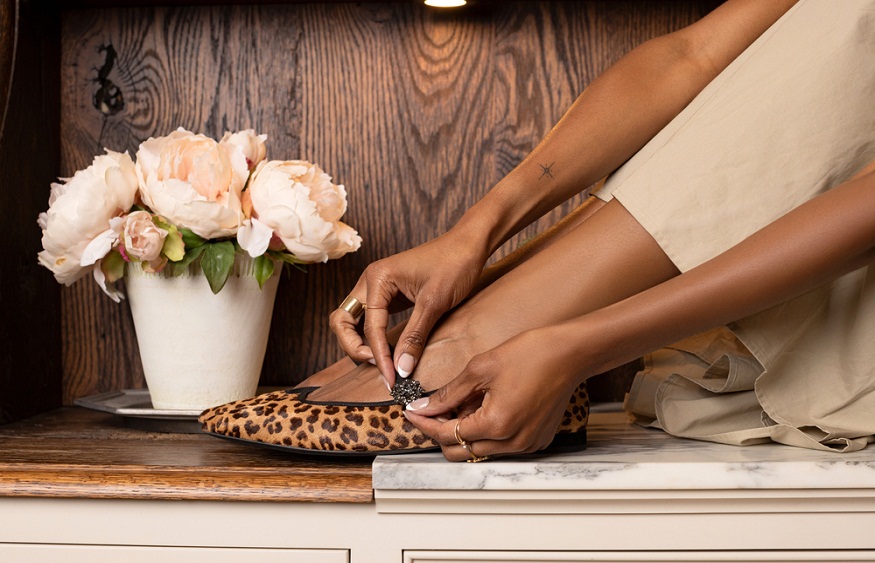
Mary Jane flats from brands like Birdies exemplify this athletic-meets-classic trend perfectly. They retain the vintage strap but add performance cushioning. Quilted insoles offer cloud-like comfort, showing vintage styles can be modernly comfortable.
The Wellness Movement Demanded Better
Health tracking changed how people think about daily movement. Step counters revealed the truth: most people walk miles every day. Those miles in bad shoes cause actual damage. Fitness apps made the connection obvious. Doctors started discussing footwear during checkups. Physical therapists prescribed specific shoe features. Chiropractors linked back pain to heel height.
Read More : Aegean Splendor: The Ultimate Guide to Greece Yachts for Charter
The medical community’s involvement legitimized comfort as a health issue, not just preference. Wellness culture embraced foot health as self-care. Proper footwear became part of the optimization mindset. People who tracked sleep, nutrition, and exercise realized shoes affected everything.
Economic Pressure Favored Practical Choices
Inflation hit everyone’s budget. Shoe prices climbed like everything else. Buyers became pickier about their purchases. Single-occasion shoes looked wasteful. Versatile, comfortable options made more economic sense. The resale market exploded. Used designer heels flooded online platforms. Comfortable brands held their value better. People noticed which shoes got worn versus which ones just took up closet space.
Conclusion
Fashion’s comfort focus is here to stay. This evolution stems from permanent shifts in work, life, and wellbeing priorities. The old system where beauty required pain depended on people accepting suffering as normal. That acceptance disappeared. Now comfort drives design decisions. Technology enables better solutions. Consumers demand both style and wearability. The future of footwear looks comfortable, and nobody’s complaining about that.