
The History of Footbeds and Why They Matter Today

300 Views
You slip on your sandals. You take a step. And for most of us, that’s where the thought process ends. But beneath every great pair of shoes lies an unsung hero: the footbed.
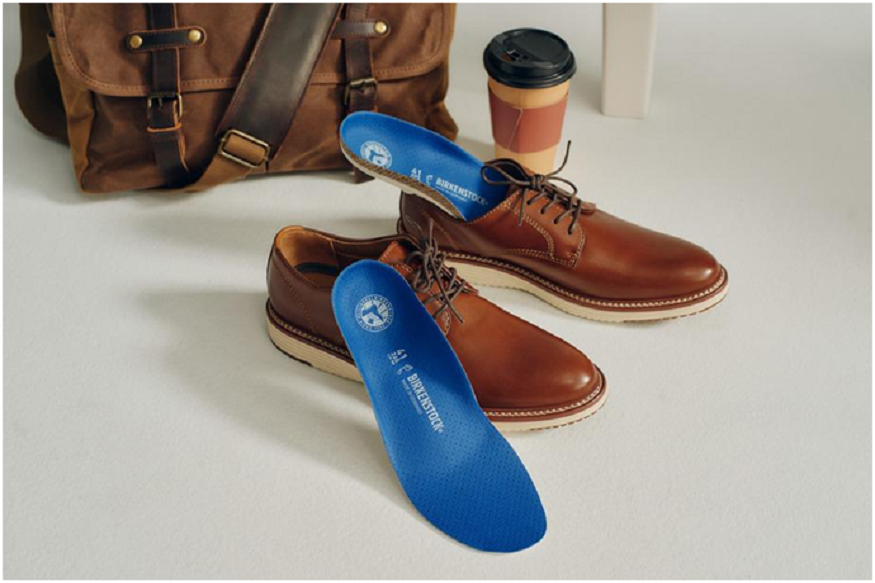
From ancient civilisations to modern wardrobes, footbeds have quietly shaped how we move, stand, and experience comfort. It was Birkenstock that first used the term footbed in the 1930s and introduced the world’s first anatomically shaped version, redefining modern comfort. Today, as people search for the best footwear for men and women alike, the conversation is shifting beneath the surface. Here is a closer look at how footbeds evolved and why they matter more than ever.
I am not received these posts payment from Broker (Pravesh Bravo). I asked and email many times but their is not a single reply. That is why i am removing your all paid and unpaid posts ( April to June).
If you want to be live your posts, then contact me here: [email protected] (+919467554532 )– Kavya Sharma
It All Started With Straw and Stone
Long before ergonomics became a buzzword, ancient Egyptians were already crafting sandals with contoured soles made from papyrus and palm leaves. Archaeological finds from around 2000 BCE reveal that early footwear wasn’t entirely flat. Certain designs included raised heel sections and toe separators. The ancients, it turns out, knew a thing or two about foot support.
Romans later advanced this thinking with hobnailed soles for durability, while East Asian cultures developed wooden platform sandals (geta) to elevate wearers above wet streets. These early platform sandals weren’t just fashion statements; they were functional responses to terrain and climate.
The Industrial Era Changes Everything
The 19th century brought mass production and, unfortunately, a lot of flat, unsupported shoes. Comfort became secondary to cost. By the early 20th century, the podiatric community started sounding the alarm. Flat, uniform footbeds were contributing to posture problems, back pain, and a host of lower-body complaints.
Read More: What is the difference between fashion retail and retail management courses?
Innovators began experimenting with cork, leather, and latex to create footbeds that actually mirrored the natural shape of the human foot. One of the most influential developments came from German shoemaking traditions in the 1960s and 1970s, where the anatomically shaped footbed, with a deep heel cup, raised arch support, and toe bar, became a design philosophy rather than a medical afterthought. Today, this approach continues to influence designs, particularly in solutions like footbeds for flat feet, where structure and alignment are essential.
What Makes a Footbed Actually Good?
For those searching for the best footwear for men and women, the footbed is genuinely where the magic happens. Here’s what separates a well-engineered footbed from a flat piece of foam:
- Arch support: Spreads your weight evenly and eases pressure on your foot.
- Heel cup: Holds your heel in place and helps prevent your foot from rolling inward.
- Toe bar: Encourages natural gripping motion, strengthening foot muscles over time.
- Material: Cork and latex mould to your foot with wear; memory foam offers instant comfort but less long-term structure.
The Comeback of the Contoured Sole
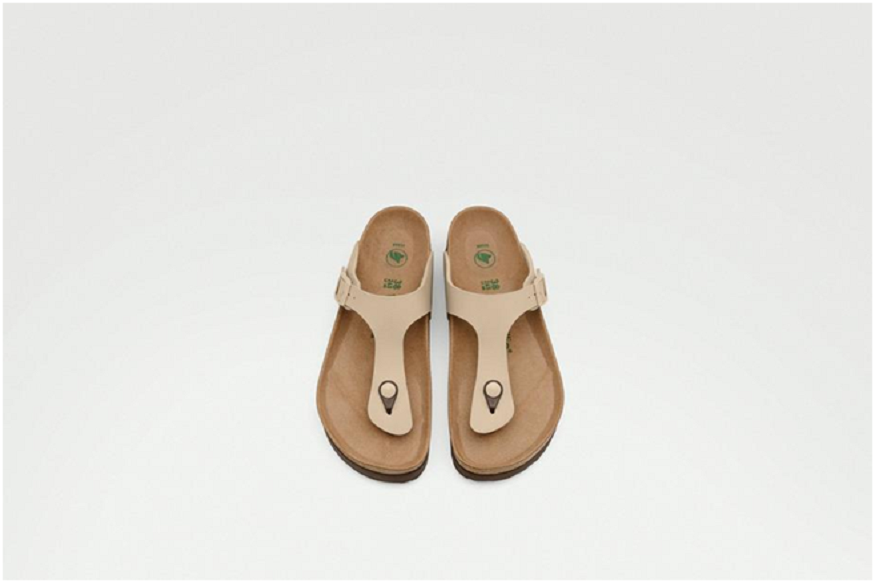
Modern contoured footbeds spread pressure evenly across the foot for better comfort. Styles like Birkenstock’s Arizona, Madrid, Gizeh, Mayari, and Boston, known for their signature cork footbeds and deep heel cups, have remained trusted choices for those seeking everyday comfort while maintaining a refined sense of style.
Platform sandals have made a strong comeback, from runways to high-street stores. Today’s designs pair height with anatomical footbeds, showing that style and comfort can coexist, with arch support and cushioning now built in as standard.
Today’s Standards: What to Look For
For anyone investing in quality footwear today, especially the best footwear for men and women navigating long commutes or all-day wear, here’s a quick checklist:
- Does the footbed have a defined arch contour?
- Is the material breathable and mouldable?
- Does the heel sit lower than the toe area, or is it truly flat?
Footbeds for flat feet, in particular, should prioritise medial arch reinforcement and a firm base layer.
Read More: Wrapped in Tradition: The Love and Craft Behind Chanderi Sarees
The Bottom Line
The footbed has journeyed from papyrus to cork to precision-moulded synthetics. It’s moved from medical necessity to cultural icon. And as more people prioritise wellness in their everyday choices, the humble footbed is finally getting the recognition it deserves.
So, next time you slip something on, look down. That contoured shape holding your foot? It has about four thousand years of human ingenuity behind it.